
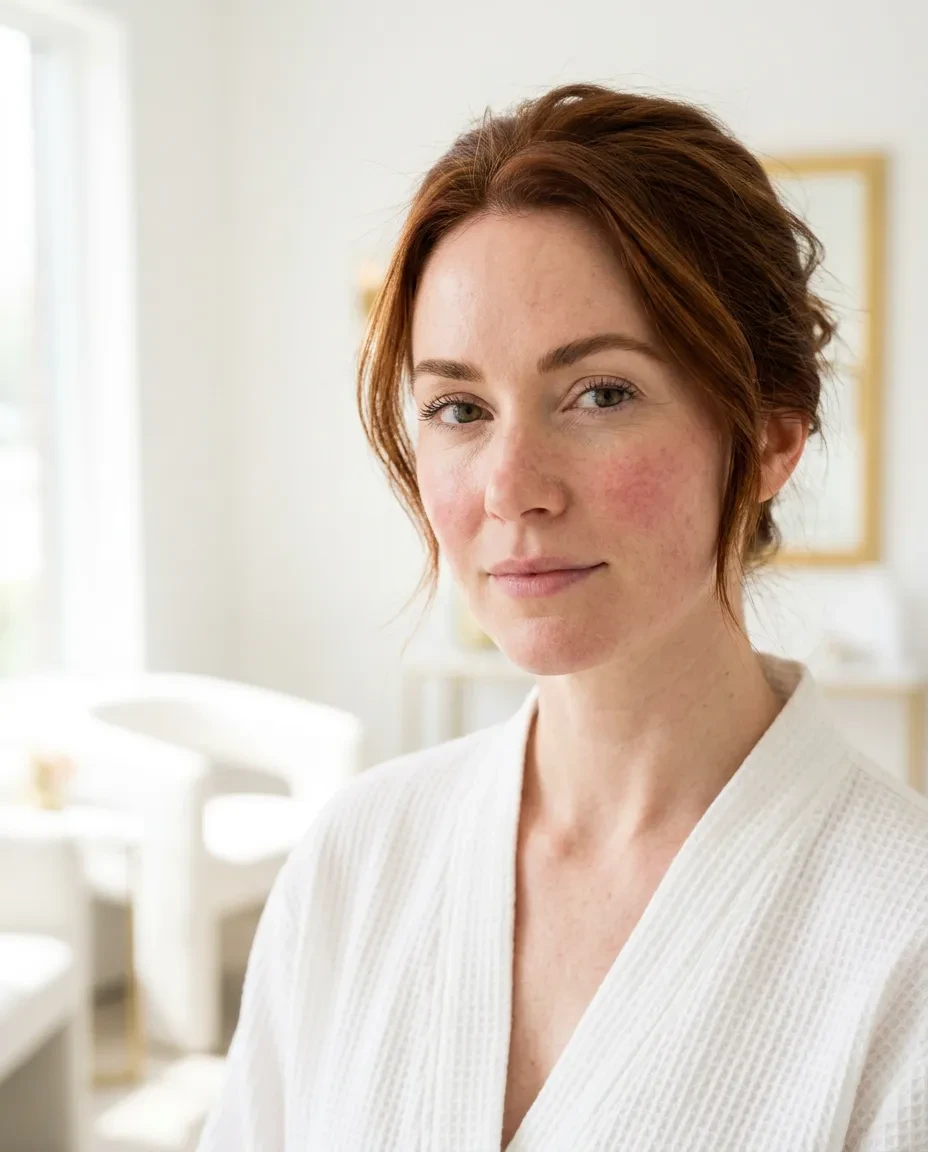
Facial Redness & Rosacea
Redness That Stopped Being a Blush
It used to come and go. Now the color across your nose and cheeks stays after the trigger has passed. Small vessels have started to show. Rosacea moves through stages, and the stage you are at decides what is worth doing.
Facial Redness & Rosacea
Redness That Stopped Being a Blush
It used to come and go. Now the color across your nose and cheeks stays after the trigger has passed. Small vessels have started to show. Rosacea moves through stages, and the stage you are at decides what is worth doing.
Why It Happens
What Sits Behind Persistent Facial Redness
Redness is a symptom with several possible authors. Rosacea is one of them. Sun damage, broken vessels and a compromised skin barrier are others, and they do not all answer to the same thing. Naming the right one is most of the work.
01
Vascular Reactivity
Blood vessels in the face dilate easily and are slow to settle. Over time they stop returning fully, and the flush becomes the baseline. What was a reaction becomes your resting color.
02
Broken Capillaries
Individual vessels near the surface can become permanently visible. These read as fine red lines rather than a general wash of color. Around the nose they are usually first to appear.
03
Sun and Heat
Ultraviolet damage weakens vessel walls and the collagen supporting them. Phoenix heat then keeps the face dilated for longer than it should be. Summer here puts a real load on reactive skin.
04
Triggers and Barrier
Alcohol, spice, exercise, stress and harsh skincare each provoke a flush. A damaged skin barrier makes every one of them land harder. Repairing the barrier is usually the first job.
How We Approach It
Assessment First, Then a Measured Plan
Redness is a symptom rather than a diagnosis, so we start by working out what is causing yours. Rosacea belongs to a physician to diagnose and manage. What we look at is the visible vascular damage, and only where an assessment finds it appropriate. Skin that is actively inflamed gets settled before any device is considered at all.
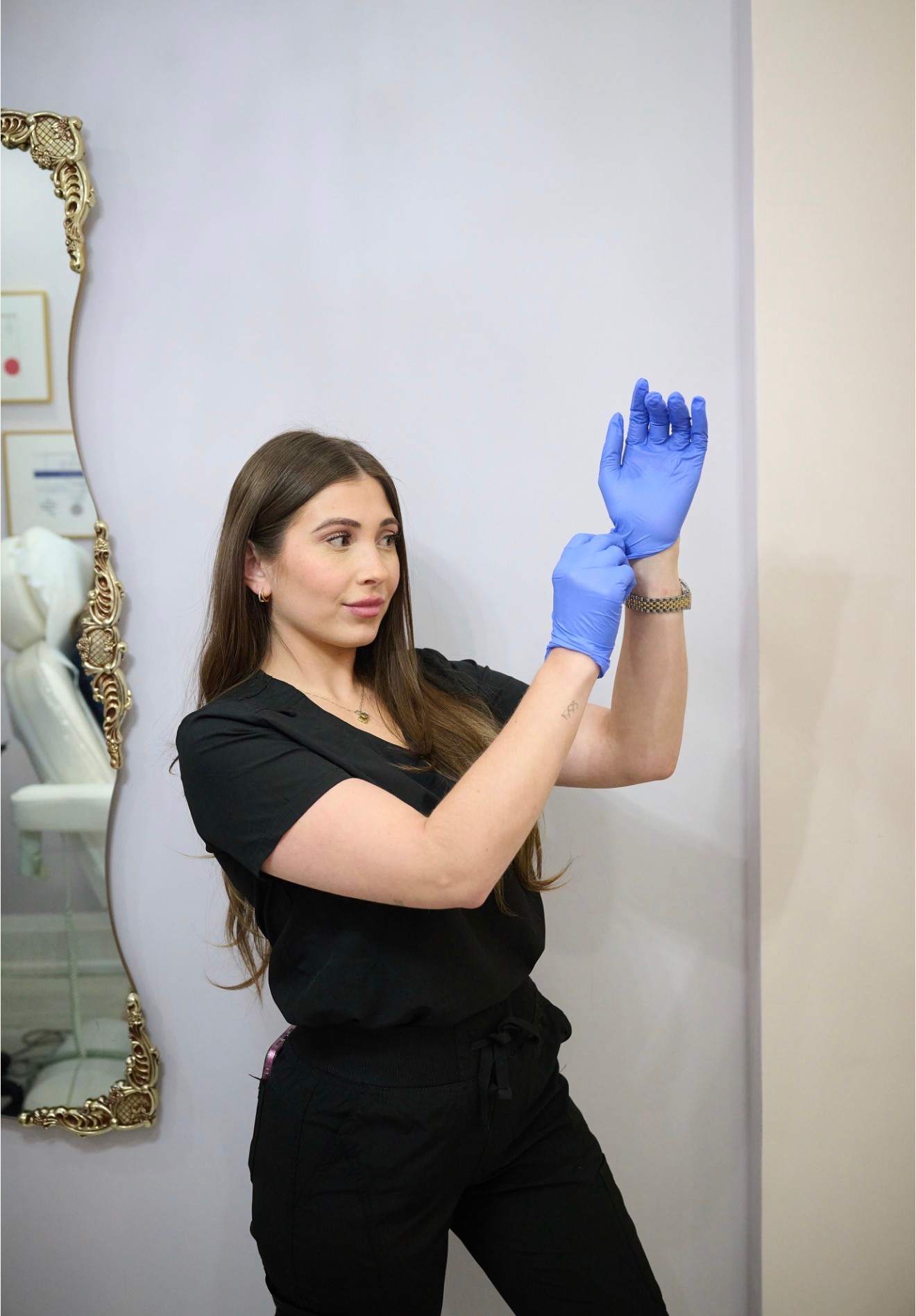
Consultation and Skin Assessment
A full health history and a look at your face in real light, at rest and after a trigger. We separate flushing, fixed redness and visible vessels.
Everyone starts here. It is the step that decides whether anything in clinic is appropriate, or whether you need a physician first.
Tasha Wright Ford, RN reads the pattern and the barrier together. Dr. Anna Mkrtchyan, NMD reviews the medical picture where that is relevant.
You leave with a plan in writing and a price. If the honest answer is barrier repair and trigger control for now, that is what you hear.
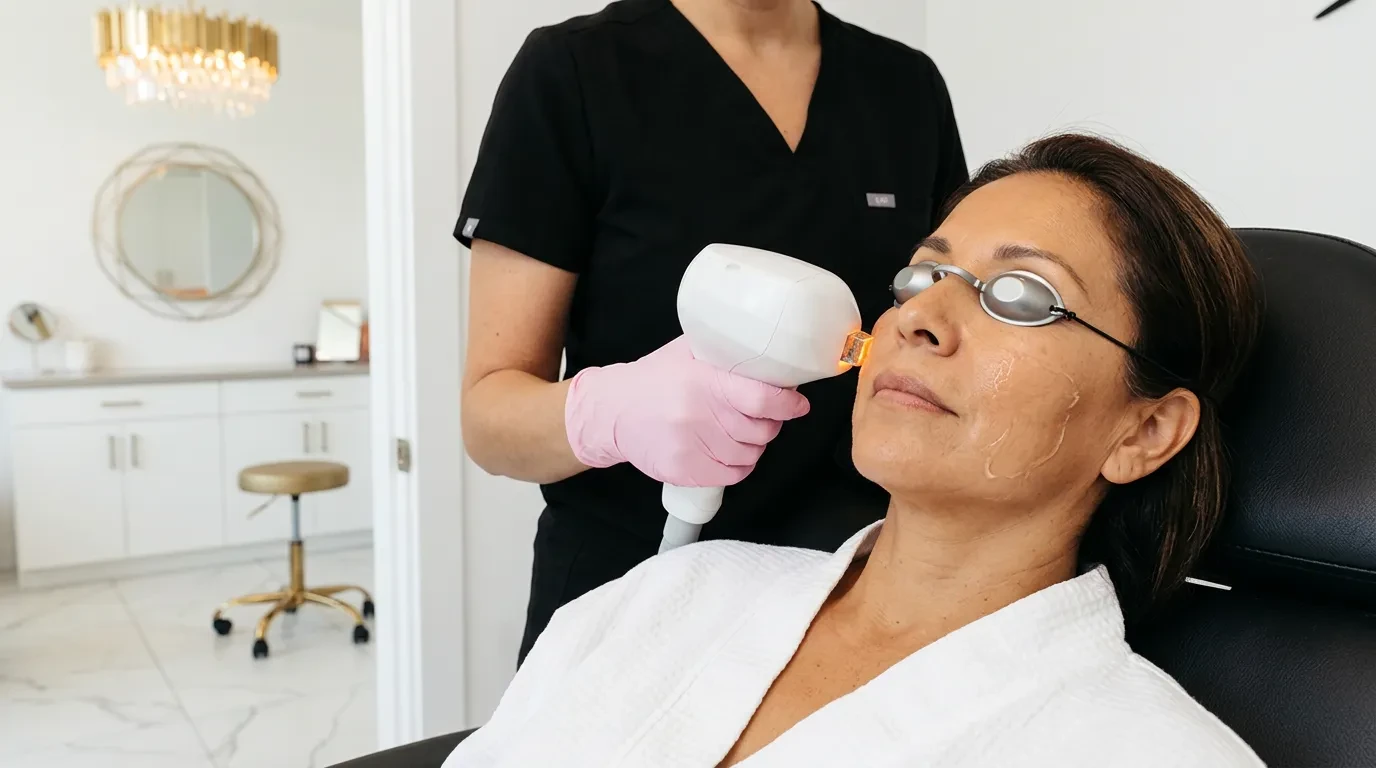
IPL / Photofacial
Broadband light absorbed by the hemoglobin inside surface vessels, so it targets the vessel rather than the skin around it.
Patients with visible vessels and background redness, where assessment finds the presentation suitable. Several rosacea subtypes are not.
Light energy heats and closes small vessels carrying the color, and the body clears them. Skin tone and current inflammation both change whether it is appropriate.
We assess before we plan anything. If the skin is inflamed, the honest answer is to settle it first, and any device decision waits for that.

PRX-T33
A bio-revitalizing peel that works without needles, without heat and without visible peeling.
Patients whose barrier needs support while triggers are being managed, and those who react badly to most treatments.
The formula works in the dermis without breaking the surface, so reactive skin is not asked to heal a wound.
It is done in a short series. Kelly will talk you through how it sits alongside your skincare before you book anything.
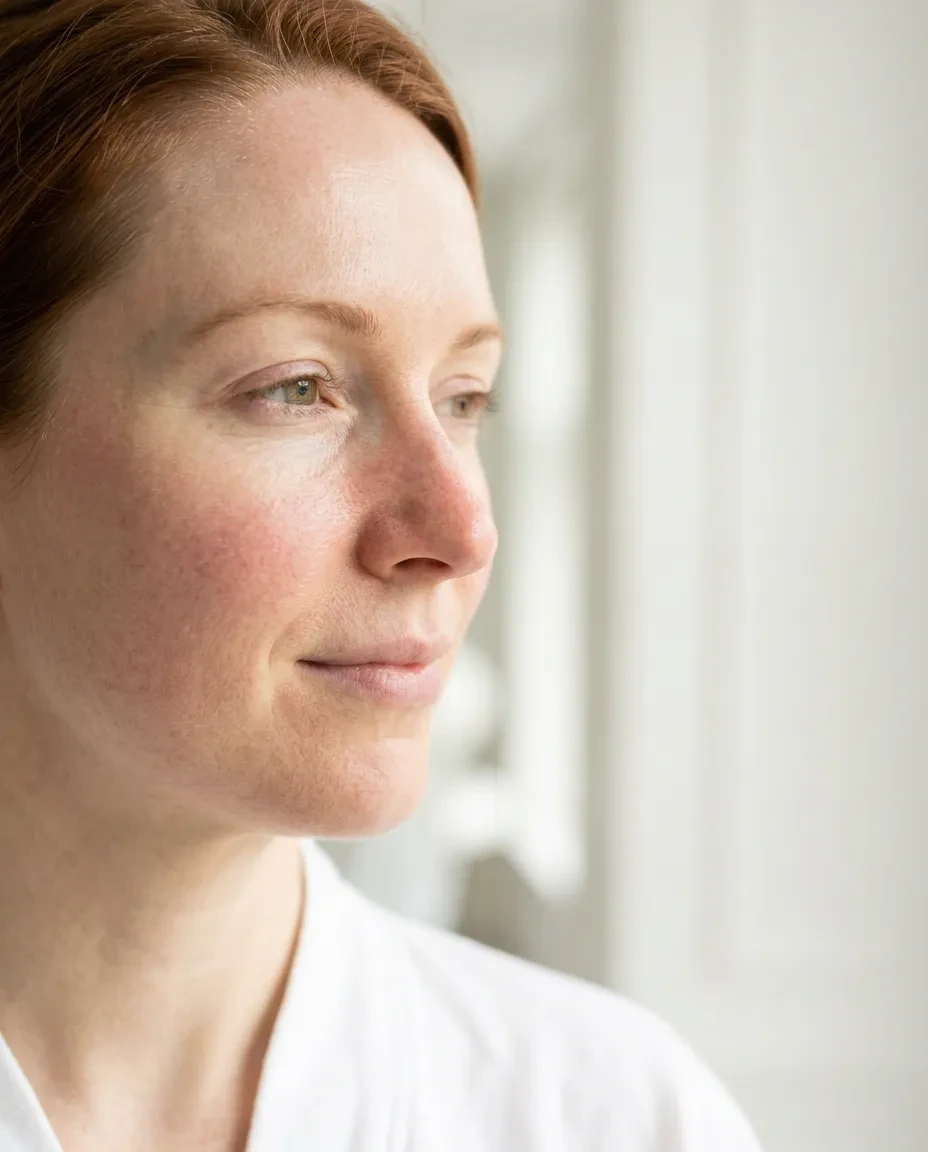
Living With a Reactive Face
Most of the result here comes from what you do daily rather than what happens in the room. Fewer flares mean less vascular damage over the years. We spend the assessment on triggers and barrier before we spend anything on a device. Nothing is booked while you are still sitting in the chair.
Keep a Trigger List
Alcohol, spice, heat, exercise and stress affect people differently. Two weeks of notes tells you more about your face than any product claim does.
Barrier First Skincare
A gentle cleanser, a barrier repair cream and daily mineral sunscreen do the heavy lifting. Acids, scrubs and strong actives usually make reactive skin worse.
Manage the Heat
Phoenix summer keeps facial vessels open for months at a time. Cooling deliberately and staying out of midday light reduce the load on the skin.
Know When to See a Physician
Eye irritation, bumps that behave like acne, or redness that is spreading all need a medical opinion. A diagnosis belongs with a physician, not with a device.
What We Will Not Promise
You will not hear the word cure here. The aim is fewer flares, less visible vessel damage and a barrier that copes with daily life. That target is honest and it is reachable.
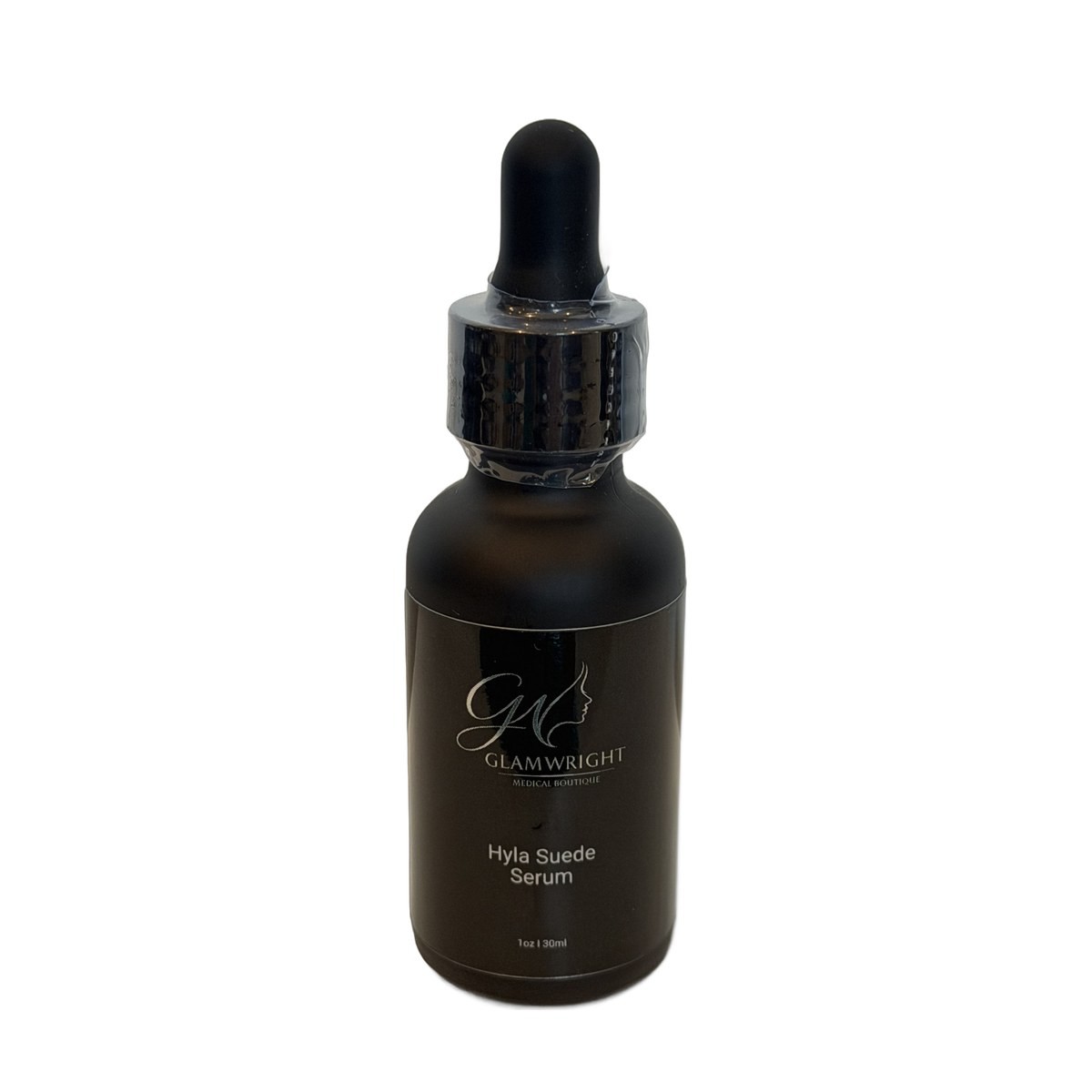
Recommended Skincare
Hyla Suede Serum
Redness usually travels with a barrier that needs rebuilding, so hydration comes first. Three actives work together in one light serum. Hydration goes up, redness settles, and it disappears under everything else.
Who provides your care
Registered Nurse-led care you can trust
Your plan is guided by Tasha Wright Ford, RN, our owner and lead injector, with 22 years as a Registered Nurse and 16 years of injecting experience. Dr. Anna Mkrtchyan, NMD, a Naturopathic Medical Doctor, serves as our Medical Director, and Kelly, our aesthetician, brings 17 years in skin and facial care. We assess your skin and full health history first, talk through whether a treatment is right for you, including anyone who should wait such as during pregnancy or with an active skin infection, and only recommend what genuinely suits you.



Start With A Consultation
We assess first. You leave with a plan and a price.
FAQ
Common Questions About
Facial Redness
Rosacea is a chronic condition of facial redness, flushing and visible vessels, sometimes with bumps that look like acne. It moves through stages and varies by subtype. A physician makes the diagnosis, and we work on what is visible.
The reactivity sits in the blood vessels and in the skin's immune response. Sun damage, heat, alcohol, spice, exercise and stress all provoke it. What triggers one face leaves another alone, which is why a trigger list is worth keeping.
It is not classified as one. Rosacea is an inflammatory condition of the skin and its vessels, and research continues into the role of the immune system. Your physician is the right person to talk through a diagnosis and any medication.
No, and it can be managed well. The underlying reactivity stays, so the aim is fewer flares and less visible damage over the years. Anything promising a cure is describing a condition that rosacea is not.
Light and laser address visible vessels rather than the condition itself, and neither one cures the reactivity underneath. Whether any device belongs in your plan is decided at your assessment in Phoenix, and some presentations are better settled first.
Heat dilates facial vessels, and reactive skin is slow to bring them back. Summer here does that for months at a time. Cooling deliberately, avoiding midday light and treating heat as a trigger all reduce the load.
Less than you think. A gentle cleanser, a barrier repair cream and daily mineral sunscreen do most of the work. Acids, scrubs and strong actives usually make it worse. Kelly can talk you through a routine at your visit.
It can, along with stinging and burning, especially where the barrier is damaged. Itch that is severe or spreading may not be rosacea at all, which is another reason a diagnosis belongs with a physician. Call 602-469-8693 to book an assessment.